Introduction
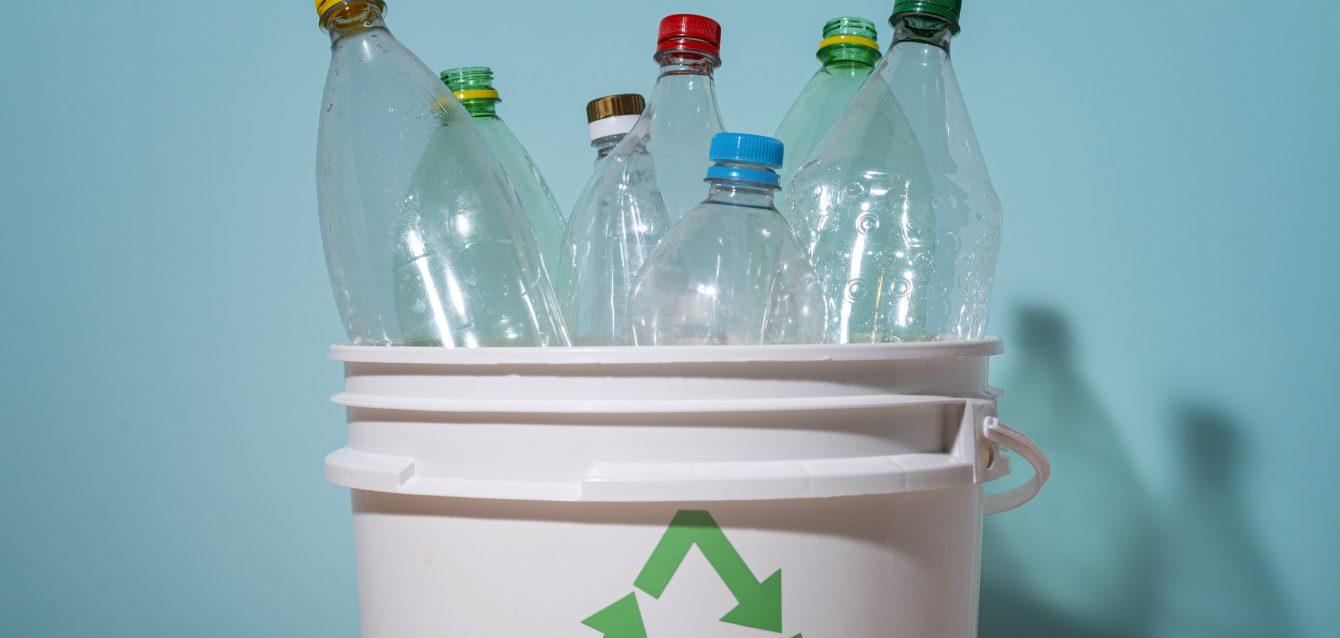
PQ Recycling (a division of PolyQuest) is a plastics recycling facility located in Farmingdale, New York, which purchases redemption-deposit plastic bottles and reclaims them into rPET flake for reuse. In partnership with Top Remotely, PQ Recycling undertook a comprehensive overhaul of its bottle-recycling operations to accelerate throughput, improve reporting and transparency, and reduce manual bottlenecks. The result: a 25% faster reporting cycle, enabling real-time visibility into key metrics such as bottle intake, flake output and quality control.
Challenges
Before engaging Top Remotely, PQ Recycling faced several operational and data-reporting challenges:
- The process of receiving bottles, sorting, processing into flakes and reporting on output was fragmented, relying on spreadsheets and manual checks across multiple shifts.
- Reporting delays meant monthly or weekly summaries were only available several days after the fact, reducing the ability to respond quickly to issues (e.g., contamination or equipment downtime).
- Traceability—tracking bottle batches by redemption code, lot, or supplier—was weak, making it hard to audit quality or link outputs back to inputs.
- Growth in volume (driven by deposit-program collections) was putting strain on processing, but the visibility into capacity utilization and through-put was poor.
With Top Remotely’s support, PQ Recycling aimed to streamline operations, upgrade reporting systems, and gain real-time insights without disrupting ongoing processing.
Objectives
The key goals for the engagement were:
- Improve reporting speed: reduce time to generate key performance-reports by at least 25%.
- Enhance operational visibility: implement dashboards to monitor bottle intake, processing, flake yield and QC in (near) real-time.
- Strengthen traceability: link bottle-batch data through to finished flake, enabling audit and supplier analysis.
- Keep cost in check: deliver the upgrade without major downtime and avoid ballooning IT overhead.
Solutions
Top Remotely delivered the following solutions for PQ Recycling:
- Data-platform upgrade: We consolidated intake, sorting, washing, flake output, quality inspection and output-sales data into a unified database, eliminating multiple spreadsheets.
- Dashboard & real-time metrics: We built custom dashboards showing live intake volume, processing rate, flake yield %, and deviation alerts. Key reports that used to take days now generate in minutes.
- Barcode/lot-tracking integration: Bottle batches, supplier data, redemption codes and processing lots were tagged and tracked end-to-end, enabling full traceability from front-end pick-up to output delivery.
- Automation for reports: Weekly and monthly reports were automated: data feed → dashboard → PDF/Excel output without manual aggregation.
- Training & change management: We trained plant supervisors, processing operators and management on the new system, dashboards, and interpretation of metrics for continuous improvement.
Deployment Process
Top Remotely executed the migration using the following phased approach:
- Phase 1: System Assessment: We assessed Gristedes’ legacy monolithic system and identified the core business processes that could be decoupled into microservices.
- Phase 2: Microservices Development: We developed the necessary microservices for key functions, including inventory management, order fulfillment, and customer service.
- Phase 3: Data Migration & Testing: We migrated critical data from Gristedes’ legacy databases to the new microservices architecture, ensuring data integrity and consistency.
- Phase 4: Final Deployment: The final deployment was carried out with careful attention to minimizing operational disruption, and the new system was fully live within the agreed-upon timeframe.
Results
Top Remotely executed the engagement in phases:
- Phase 1: Assessment & mapping: We mapped existing workflows across intake, processing and output. Identified bottlenecks, lag points, manual steps.
- Phase 2: Data-platform & integration: Deployed enhancements to data capture, traceability, and reporting. In parallel the plant continued usual processing, to avoid disruption.
- Phase 3: Dashboard build-out & testing: Live dashboards set up, data feeds tested, reports automated. Operators and management participated in feedback.
- Phase 4: Rollout & training: The dashboards were rolled into full production, staff trained, legacy spreadsheets decommissioned. Ongoing support provided for the first several weeks.
- Phase 5: Review & refine: After three months, reviews identified further refinements (e.g., additional KPIs, customizable alerts) and were implemented by Top Remotely as part of continuous improvement.
Technology Stack
- Backend: Python (data-ingestion, ETL)
- Database: MariaDB/MySQL
- Frontend: JavaScript, Vue.js dashboards
- Integration: REST APIs, Webhooks from the processing-equipment and intake scanners
- Hosting: Cloud (AWS) plus on-site edge-data capture at the plant
- Modules: Intake tracking, Processing tracking, QC & Yield analytics, Reporting automation
For PQ Recycling, the transformation from a fragmented manual reporting and processing environment to a streamlined, live-data enabled system has been a game-changer. Partnering with Top Remotely, the company not only achieved its goal of 25% faster reporting but also unlocked enhanced operational visibility, better traceability, and a platform ready for future growth. For companies in the bottle-recycling business looking to move from spreadsheets and delays to live operations data and agile decision-making, this case shows how a focused upgrade, smart tooling and lean implementation deliver real performance gains.

Call Center
Our Location
751 Linden Blvd Brooklyn,
NY 11203, USA
Social network